

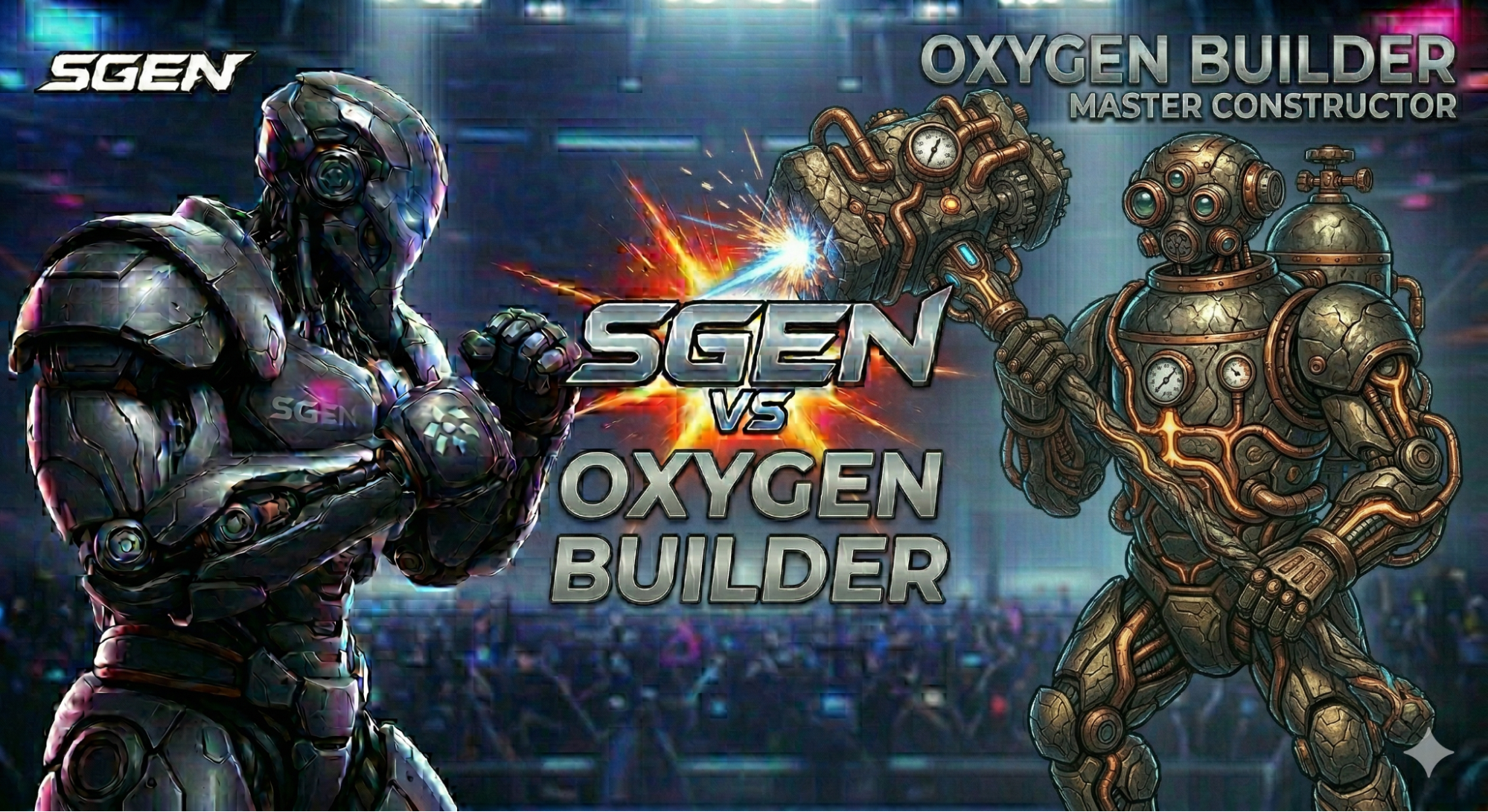
Oxygen Builder is the darling of a certain subset of developers who like to feel smarter than they actually are. It markets itself as the bridge between a builder and a hand-coded site, but in reality, it is a convoluted mess that breaks the fundamental way WordPress is supposed to work. It is a solution looking for a problem that it also happens to create.
Disabling the Core to Save Face
Oxygen’s greatest trick is disabling the WordPress theme system entirely. While this is marketed as a performance feature, it is actually a massive technical hurdle. It means you are entirely dependent on Oxygen for every single pixel on your site. If the plugin fails or encounters a conflict, your entire site is gone, as there is no underlying theme to fall back on.The way Oxygen stores its data—using a proprietary JSON-based structure in the database—makes it a nightmare for version control or external auditing. The rendering engine is also prone to bizarre bugs where styles simply refuse to update unless you clear three different layers of cache. It attempts to replace the WordPress ecosystem with its own buggy version, creating a fragile environment where one wrong click can break the entire layout.
A Learning Curve That Leads to a Cliff
The Oxygen UI is an exercise in frustration. It tries to mimic a professional IDE but ends up feeling like a half-baked imitation. The structure panel is essential because the visual canvas is so unreliable, but navigating that panel is like trying to untangle a bowl of digital spaghetti. The naming conventions for settings are often inconsistent with standard CSS terminology, adding an unnecessary layer of confusion.The lack of a true live preview means you are constantly toggling between the editor and the frontend, waiting for the builder to load its heavy interface every single time. It is a slow, methodical process that drains the joy out of building. It is a tool designed for people who enjoy suffering in the name of a marginal performance gain that could have been achieved more easily with better tools.
If I Had To Fix This Mess
Re-integrate with the WordPress theme system as an optional layer rather than a hard requirement.Standardize the UI terminology to match actual W3C CSS specifications.
Improve the speed and reliability of the internal JSON-to-HTML rendering engine.
Create a truly stable live preview that doesn't require constant refreshing.
Open up the data structure to allow for better integration with standard developer tools like Git.
The Bottom Line
Oxygen Builder is a complex cage that promises freedom but delivers dependency. SGEN is the only logical choice for developers who want performance without the headache.Switch to a platform that actually respects your server’s CPU and your own sanity.
Switch to SGEN today